


Gold Mining In Russia In 2025: What Determines The Industry's Development
In 2025, the Russian gold mining industry maintained its positive momentum. Increased production, record global gold prices, the launch of new production facilities, and active exploration create opportunities for further market development. At the same time, companies are facing rising costs, labor shortages, and the need to replenish their mineral resource base.
By the end of 2025, Russia retained its status as one of the world's largest gold producers. As part of the MiningWorld Russia 2026 business program, Mikhail Leskov, Editor-in-Chief of Gold and Technology magazine, estimated the country's gold production volume at approximately 360 tonnes, 4% higher than the previous year. According to him, Russia retained its second place globally after China, and the official figure was calculated based on an analysis of data from the country's largest gold-producing regions.
The consulting firm Trust Technologies offers a similar assessment. Several factors contributed to the production growth: the high global price of gold, investments in developing new deposits, and modernizing existing facilities. Furthermore, the industry continued to adapt to changes in export structures and growing domestic demand for the precious metal.
According to Mikhail Leskov, additional growth potential is associated with the development of new large deposits, which could potentially allow Russia to close the gap with the world leader in gold production.
As for gold reserves, they increased by 614 tons by the end of 2025, according to the Ministry of Natural Resources press service. The Fyodorovsko-Kedrovskoye deposit in Khakassia ranked first in terms of growth (21.7 million tons), followed by the Dubach deposit in the Magadan region (14.7 million tons), and the Kayurkovskoye deposit in Kamchatka Krai (10.8 tons).
High prices open up new opportunities
The price of gold remained the main focus for the gold mining industry in 2025. The average gold price last year was approximately $4,400 per ounce. As noted by the publication "Territory of Subsoil Users," record-breaking global prices have made many projects economically viable that were significantly less attractive to investors just a few years ago. Experts attribute this situation to high geopolitical uncertainty, strong demand for gold from central banks, and expectations of changes in monetary policy in the world's largest economies.
The favorable economic environment stimulated investment activity. During the year, new production facilities were commissioned in Russia, including the second line of Polymetal's Amur Hydrometallurgical Plant, Seligdar's Khvoynoye gold recovery plant, and Nordgold's Tokkinsky Mining and Processing Plant. Furthermore, the Russian Ministry of Natural Resources announced the discovery of a new deposit, Zolotaya Rechka, in the Magadan Region, with reserves of approximately 43 tons of gold.
The industry is becoming more competitive
High gold prices have changed not only investment activity but also the market structure. According to the Territory of Subsoil Users, asset consolidation continues in the industry: major companies are optimizing their portfolios, gold mining acquisitions are taking place, and investors from other economic sectors are showing interest in the industry. At the same time, the role of the state as a market participant is increasing, which has also become a noticeable trend in recent years.
Experts note that mergers and acquisitions allow for the redistribution of assets and create opportunities for new players, but also intensify competition for the most promising deposits. According to Mikhail Leskov, more than 650 companies in the country are engaged in gold mining, with over 200 more conducting geological exploration and preparing for production. Furthermore, five Russian players are among the top 20 largest gold mining companies in the world: POLUS, UMMC, Polymetal, Nordgold, and Areal.
Rising costs remain a key challenge
Despite the favorable pricing environment, market participants do not expect a proportional increase in profitability. According to the Territory of Subsoil Users, along with the rising price of gold, capital and operating costs of companies continue to rise. The most significant impact is coming from rising wages, rising costs of fuels, lubricants, reagents, and inflation.
According to Mikhail Leskov, cost increases traditionally lag behind gold price increases. Therefore, it's important for companies to take advantage of favorable market conditions to improve production efficiency and build a financial buffer against changes in the global market.
The personnel shortage is worsening
Another trend in 2025 remains the shortage of qualified specialists. According to industry representatives, the most acute shortage is in engineering and technical personnel, while operations at remote fields require ever greater efforts to attract personnel. Companies are forced to expand their HR departments, increase salaries, and seek new approaches to recruiting. Market participants believe that personnel issues are already having a direct impact not only on production costs but also on the timelines of investment projects.
Geological exploration comes to the forefront
Replenishing the mineral resource base remains a key prerequisite for the industry's further development. As noted by the Territory of Subsoil Users organization, most existing deposits have a limited lifespan, while the path from the discovery of a new site to the start of commercial production can take approximately 15 years. This is why companies are increasingly investing in geological exploration and the search for new deposits.
The first results of this work are already visible. According to preliminary data from the Russian Ministry of Natural Resources, 210 placer gold deposits were discovered in 2025, with reserves increasing by 542 tons. These figures demonstrate the high level of exploration activity and form the basis for the long-term development of the industry.
Industry Prospects
The results for 2025 show that the Russian gold mining industry maintains stable growth momentum. High global gold prices are supporting investment activity, new production projects are being implemented, deposit development continues, and the mineral resource base is being replenished. At the same time, companies face challenges in increasing productivity, reducing costs, implementing modern technologies, and attracting qualified specialists.
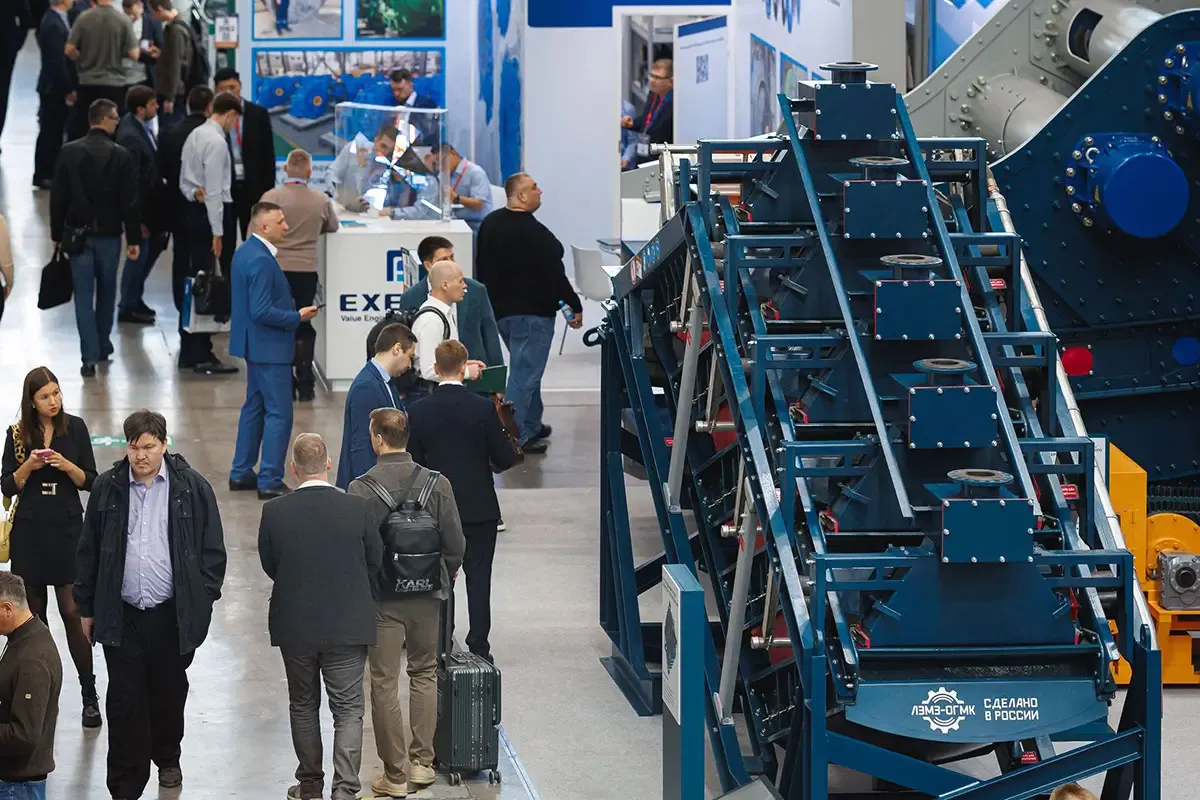
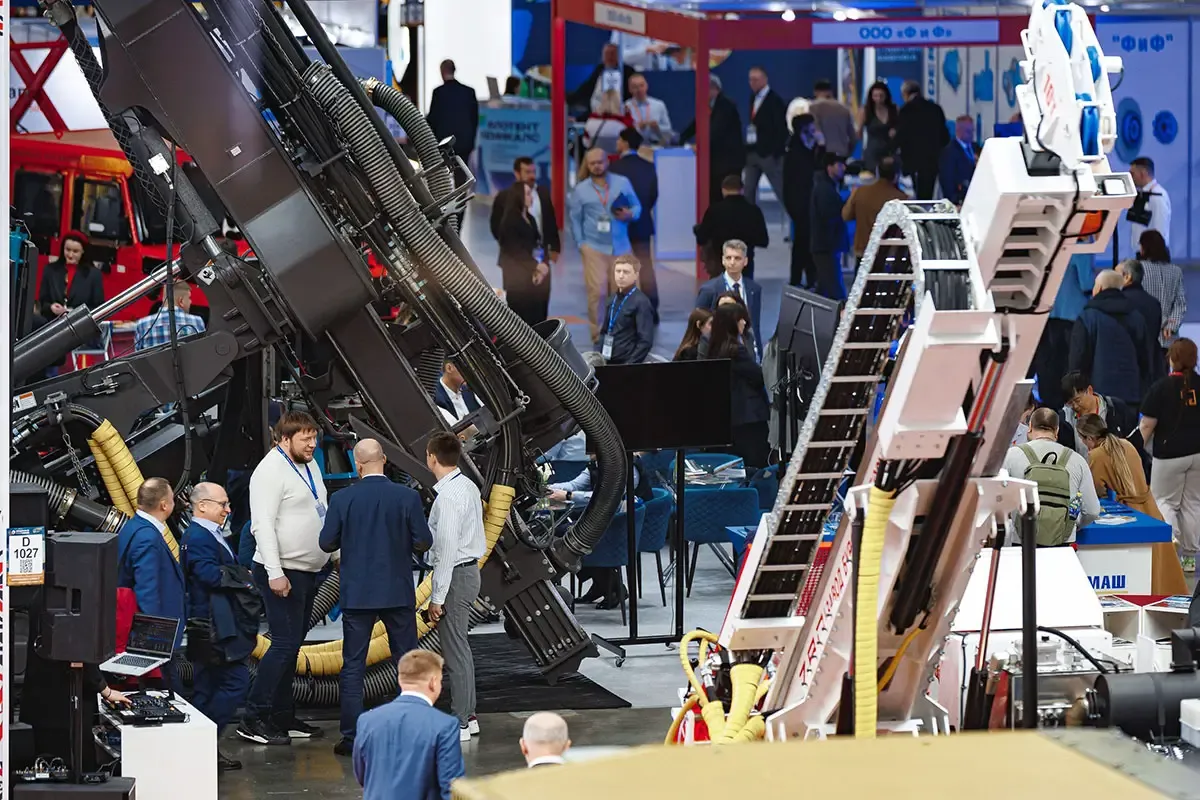
This is why professional industry platforms are becoming an important tool for business development. MiningWorld Russia is an international exhibition of machinery and equipment for the extraction, processing, and transportation of minerals. This year, it was attended by over 10,300 specialists from 79 regions of Russia and 34 countries. Forty-five percent of all specialists were interested specifically in mining equipment.
The business program traditionally included the conference "Gold and Technology 2026: In Search of Sustainable Development." Discussions focused on production volumes and leaders, year-end results and forecasts, trends and regulation in the gold mining industry, investments, and the processing of refractory and complex ores.